
Michigan Oral Surgeons creates personalized treatment plans for every patient. During your consultation, your oral surgeon will discuss your treatment in depth, including your options for anesthesia. For a detailed treatment plan and a breakdown of cost, contact us to schedule a consultation.
There are three main types of anesthesia that we use at our practice:
Local anesthesia is commonly used for minor oral surgical procedures such as simple dental extractions, single dental implant placement, or small soft tissue biopsies in the mouth. Local anesthetic only affects the site to be worked on.
Most people have or will have experienced wisdom teeth removal at some point in their life. Your dentist will monitor the growth and development of your wisdom teeth and refer you to an oral surgeon if they have determined removal is in the best interest of your oral health.
In general, wisdom teeth are removed some time during the early to mid-teen years, although some patients may require treatment outside of this range. The surgical procedure and recovery tend to be easier in younger patients.
Common complications of wisdom teeth include pain, infection, dental shifting, bite alignment problems, cysts and tumors, and more.
All surgery carries some degree of discomfort. It is our job as specialists and our mission as compassionate providers to make every effort to minimize this discomfort throughout the procedure and recovery process. We offer several forms of anesthesia to keep you comfortable during surgery and will send you home with post-operative instructions to optimize your healing.Let our office know right away if you are experiencing severe pain, swelling, or bleeding after surgery. We will address this issue promptly.
These patients can tell you about the firsthand experience undergoing wisdom tooth removal at our office.
Our Services
Meet our Doctors

Board-certified oral surgeon

Board-certified oral surgeon
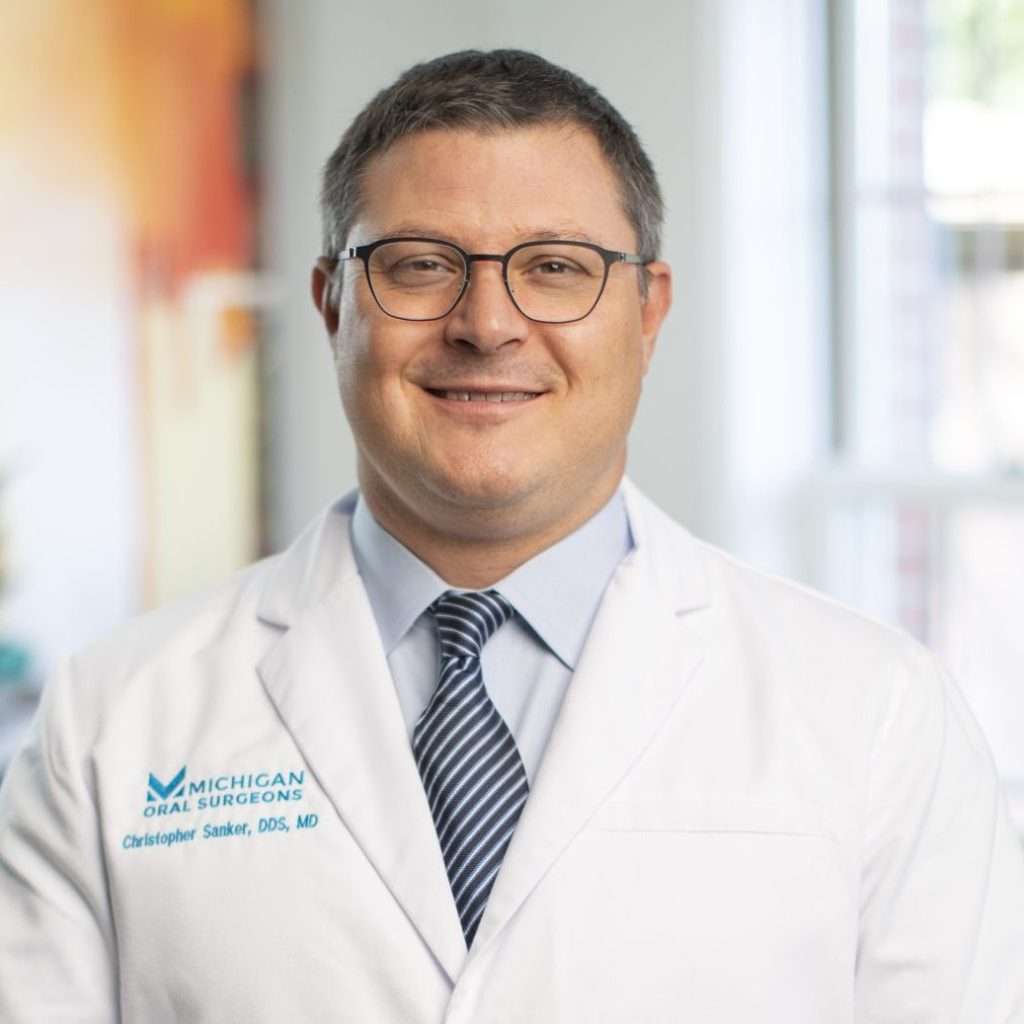
Board-certified Oral Surgeon

Board-certified oral surgeon

Board-certified oral surgeon
